Contact Info
- 6th Floor, I & M Building 2nd Ngong Avenue, Upper Hill
- +254 (0)20 2985000; +254 (0)729 111031 / +254 (0)731 000065
- info@pasgr.org
- Office Hrs: Today 9.00am to 6.00pm
Follow us


On Friday, November 20, 2026, the Partnership for African Social and Governance Research (PASGR), in collaboration with the Global Centre for Policy and Strategy (GLOCEPS), convened researchers, policymakers, diplomats and practitioners at the Radisson Blu Hotel, Upperhill, Nairobi, for a dialogue titled “Overcoming Afrophobia in Africa: Governance, Citizenship and the Future of Continental Integration.”
The dialogue examined how African countries can address hostility, discrimination and violence against African migrants within the continent while meeting their responsibilities on immigration, employment, public services and national security. Through opening addresses, six thematic labs, a round table and a policy panel, participants explored citizenship and belonging, migration and mobility, youth unemployment, urban services, and the role of political leadership and media narratives, with a focus on feasible responses, the institutions responsible for them and opportunities for countries to work together.
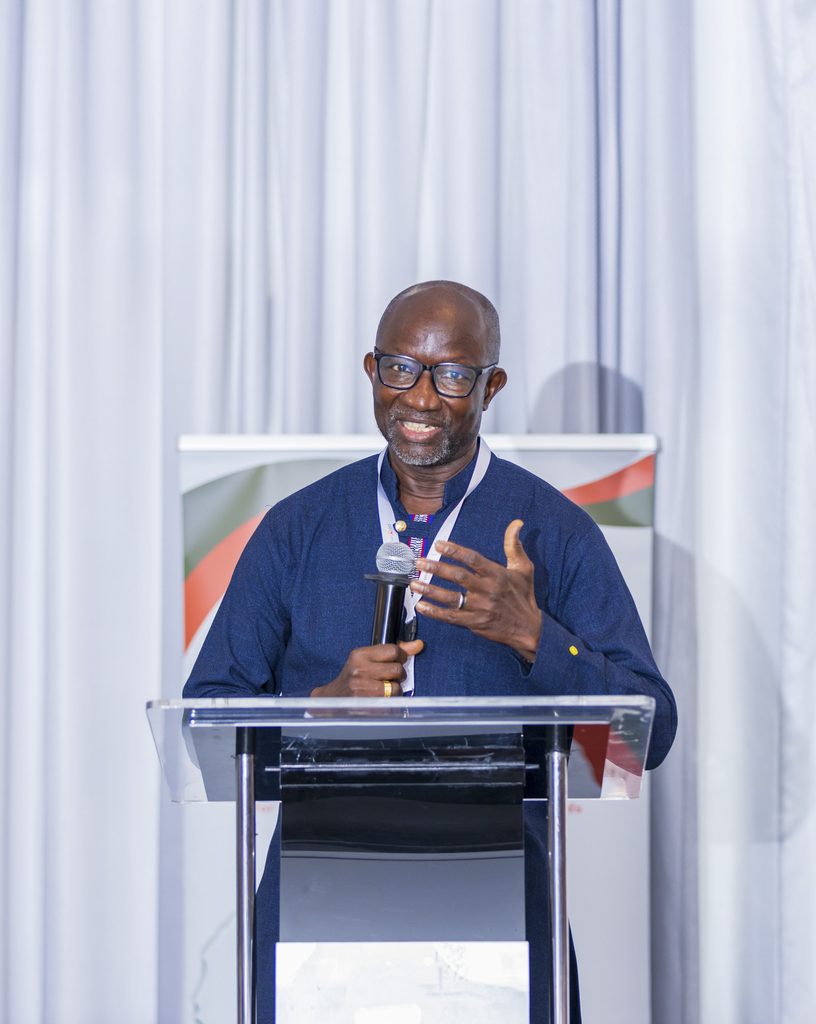
Opening the dialogue, PASGR’s Executive Director Prof. Fadel Ndiame posed the question that set the tone for the day: “Why do Africans make strangers of other Africans?”
Prof. Ndiame framed Afrophobia as a governance challenge, calling for evidence-informed responses that connect citizenship, social protection, service delivery and migration management. While acknowledging elements of truth in two common explanations, the historical divisions inherited from apartheid and the perception that migrants compete with host communities for jobs, he argued that they overlook the role of institutions and governance systems in shaping relations between citizens and migrants. Where governments fail to meet public expectations, he said, migrants can become convenient scapegoats for wider socioeconomic frustrations.
He was clear that sovereignty and solidarity are not opposing ideas. “Every African state has the right to control its borders and to decide who enters. And every African state has the duty to protect the people living inside those borders, whatever passport they carry,” he said.
Prof. Ndiame proposed building on the philosophy of Ubuntu, known in Kiswahili as Utu, as a governance principle grounded in human interconnectedness and shared responsibility. He argued that Ubuntu does not diminish state sovereignty but gives it a human-centred purpose. He also noted that Africa is not short of continental frameworks, citing African Union Agenda 2063, the Protocol on Free Movement of Persons and the African Continental Free Trade Area (AfCFTA), and said the principal challenge lies in implementation at national level.
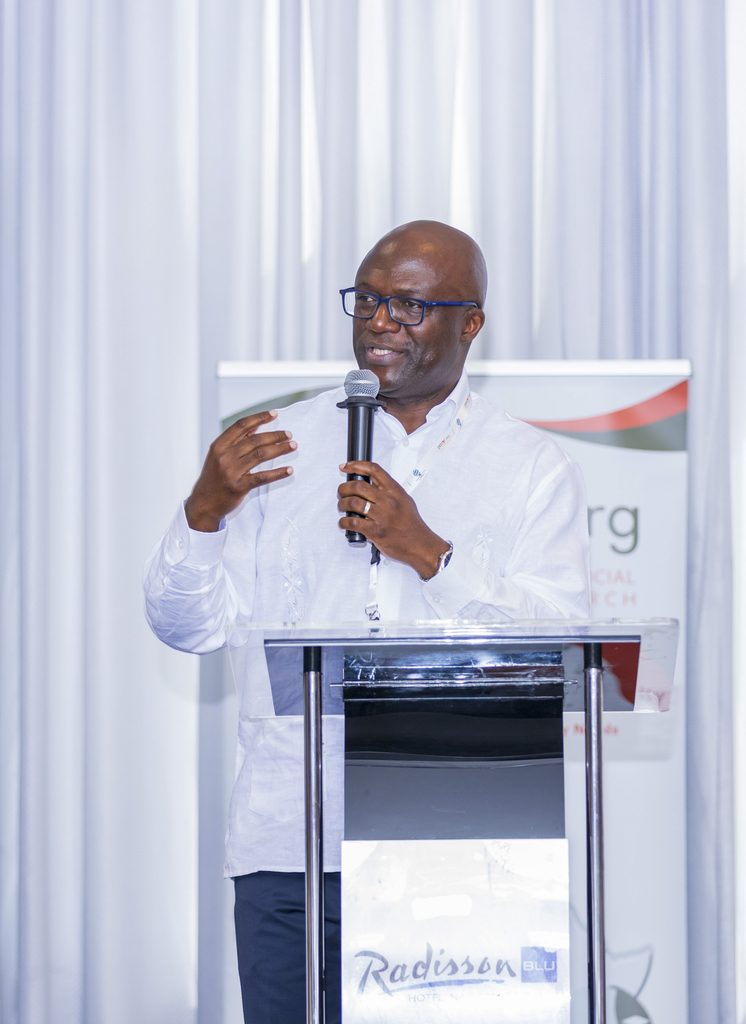
PASGR Board Chair Prof. Gerald Ouma, Professor of Higher Education and Senior Director of Institutional Planning, Monitoring and Evaluation at the University of Pretoria, delivered the keynote, challenging participants to make belonging real through institutions, laws and everyday relationships. “Solidarity cannot remain a political slogan; it must be expressed through institutions, laws and everyday practices,” he said. He located Afrophobia in how states govern diversity and migration, calling on governments to uphold the rule of law, fix the structural conditions that breed hostility and end rhetoric that casts fellow Africans as threats. “Afrophobia is not simply a problem of individual prejudice. It is also a governance problem,” he said, adding: “We need to move beyond declarations towards practical arrangements that make integration meaningful.”
Research, he argued, must reach decisionmakers: “Knowledge production, however, is not enough. Excellence alone is not enough.” He closed with a call to action: “Let us build an Africa in which being African is not a reason for exclusion in another African country, but a source of recognition, dignity, solidarity, and shared responsibility.”
Prof. Ouma also announced that the dialogue is the foundation for a six-part webinar series in 2027 to sustain the conversation and build a continental research and policy network.
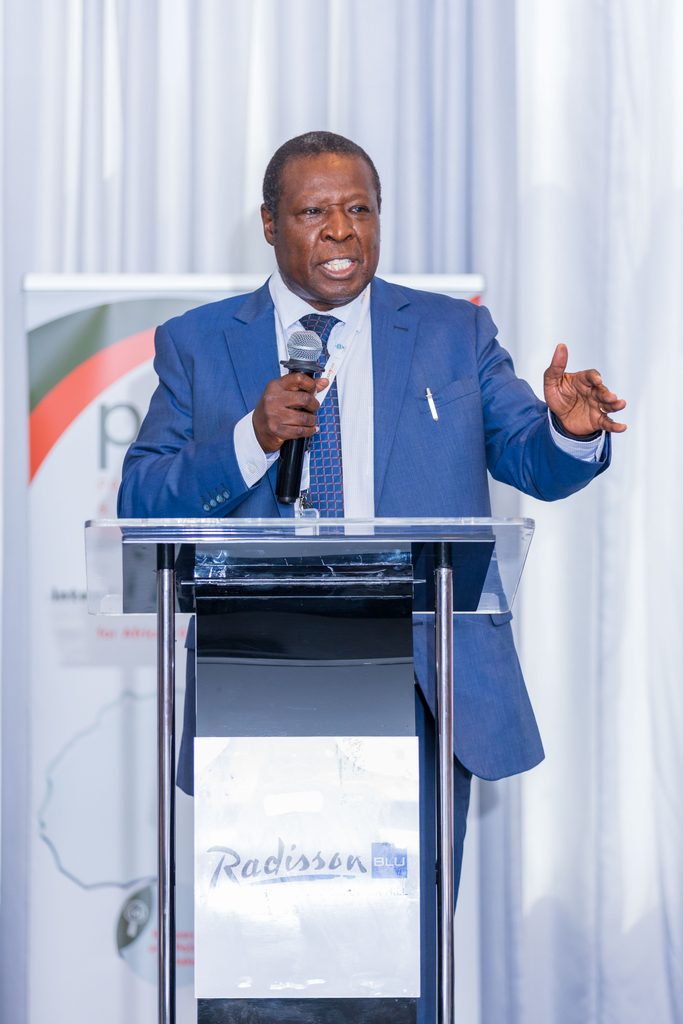
DG (Rtd) Alexander M. Imbenzi, NDC (K), CBS, OGW, Member of the GLOCEPS Council of Advisors and former Director General of the Department of Immigration, urged Africa to turn Pan-African ideals into outcomes. Tracing the road from the Organisation of African Unity in 1963 to the African Union in 2002, he asked: “Have we translated the ideals of Pan-Africanism into the institutions, policies and relationships that define our continent today?” He pressed the point: “We cannot claim to embrace Pan-Africanism while treating other Africans as strangers within the continent.”
Integration, he said, should be judged by what it delivers: simpler trade, recognised qualifications and real opportunities for young people, women and entrepreneurs. “Integration must improve the lives of ordinary citizens, not remain confined to diplomatic declarations.” He called for coordinated engagement with external partners and collective responses to extremism and instability and warned that unity starts at home: “We cannot build a united Africa on weak institutions, corruption, exclusion and declining public trust.” He concluded: “The strength of Africa will not be determined by how often we speak of unity, but by how effectively we practise it.”
In the opening plenary, moderated by Dr. Sam Oando, Prof. Ouma rejected the claim that migrants take citizens’ jobs, pointing to domestic governance failures instead, and warned against linking crime to nationality. DG Imbenzi called for joint border management, modernised border systems and a harder line on corruption.
In the lab on Afrophobia, Pan-Africanism and African Citizenship, moderated by Dr. Janet Kiguru with Dr. Ebrima Sall of Trust Africa as discussant, speakers argued that African citizenship should start with inclusive citizenship at home. They flagged institutional decay, youth unemployment, the uneven costs of regional integration and the performance of Regional Economic Communities. Another lab tackled youth unemployment and economic exclusion, moderated by Dr. Luke Kinoti with Dr. Rose Ngugi, former Executive Director of KIPPRA, as discussant.
Lab recommendations included stronger institutions from local to national level, faster progress on free movement, clear readiness criteria for joining regional economic communities, and more people-to-people exchange.
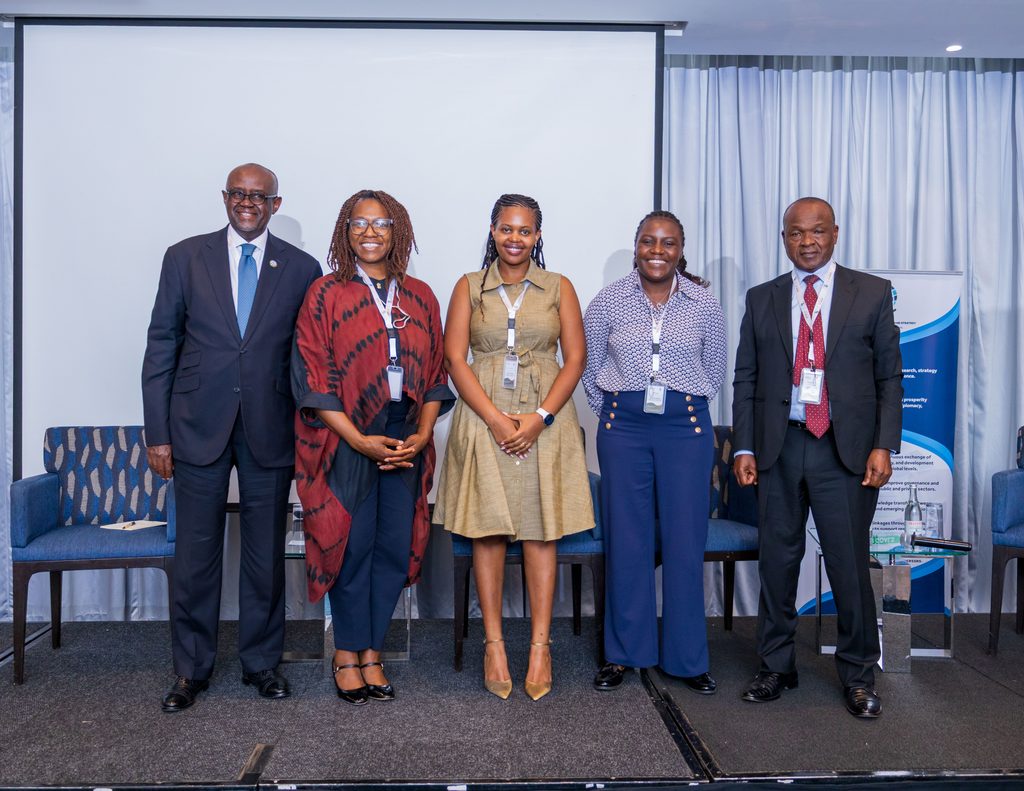
Moderated by Dr. Kathryn Nwajiaku-Dahou, HRCC Chair on the PASGR Board and Principal Research Fellow at ODI, the round table, “Priority Ideas from the Labs and Expert Opinion,” focused on responsible leadership, economic inclusion, safer digital spaces and stronger regional cooperation. Ms. Racheal Makokha, Research and Projects Officer at OTT, wanted Pan-Africanism to meet citizens’ daily reality: “We might talk about Pan-Africanism at this level, but if it does not align with the realities of African citizens, then this will only remain talk.” Amb. Solomon Maina, former Ambassador to Japan and GLOCEPS Non-Resident Research Fellow, put the spotlight on governments: “The challenge is not simply the movement of people across borders. It is how governments manage migration, communicate national priorities, respond to economic realities and protect foreign nationals.”
Ms. Winnie Nyaundi of the Foreign Service Academy warned of fabricated content and the money behind misinformation and called for verification before sharing and better moderation in African languages: “With artificial intelligence, we are facing another layer of difficulty, because now it is easy to fabricate.” Amb. Erastus Mwencha, former Secretary-General of COMESA and former Deputy Chairperson of the African Union Commission, pushed for measurable progress, shared industrial projects and Africa’s own financing. “Let us develop a scorecard for African integration,” he said, suggesting it be shared through the media and the African Union, with rewards for top performers. Dr. Nwajiaku-Dahou closed on African ownership: “If we want African solutions, we have to fund African solutions.”
Moderated by Dr. Jose Jackson-Malete, RPC Chair of the PASGR Board and Co-Director of the Alliance for African Partnership at Michigan State University, the panel featured Amb. Bramwel Kisuya, former Kenyan Ambassador to Spain; Dr. Penina Mueni Yumbya, Kenya Country Director, ICED; Mr. Eric Wafukho, Policy Advocacy Champion, PASGR; Mr. Stephen Nduvi, Research Fellow, GLOCEPS; and Catherine Ngugi, PASGR Board member. Their panel discussion concluded that Africa does not lack evidence or commitments. It lacks institutional ownership. Using the case of international students facing administrative barriers at universities, panellists called for process and cost evidence, short policy briefs and dashboards, assigned responsibility for action, diplomatic backing, and lasting culture change over public shaming.
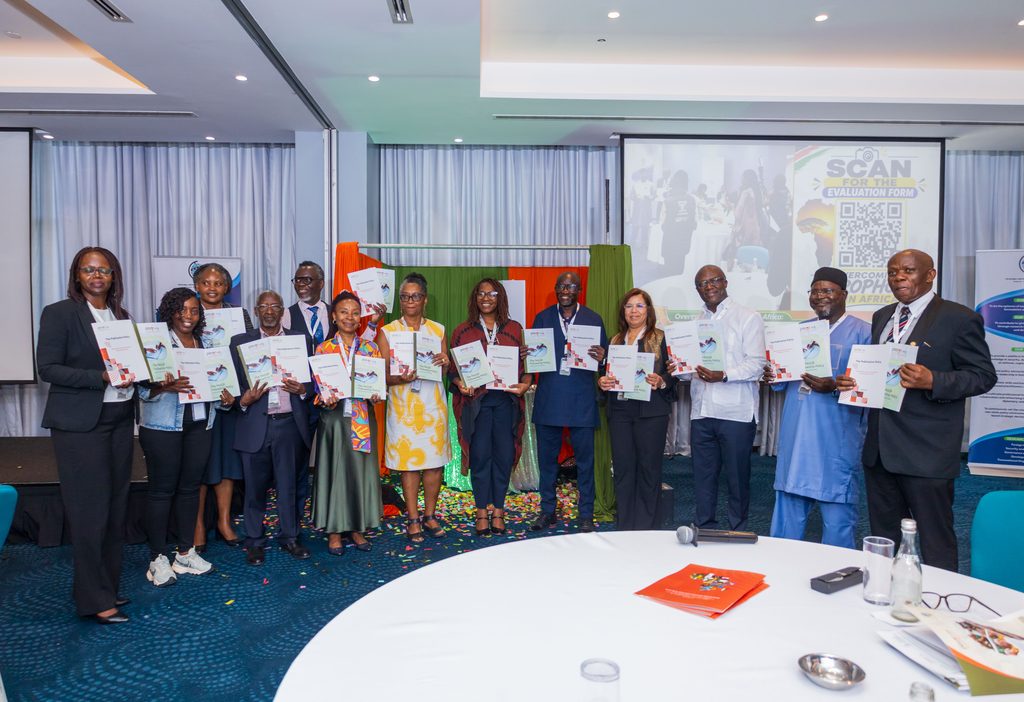
The day closed with an institutional milestone: the launch of PASGR’s Fellowship Policy and Publication Policy, presided over by Dr. Jose Jackson-Malete.
The Fellowship Policy creates a scheme that brings together experts and professionals across disciplines, drawing on past, current and future partners, including former PASGR staff and alumni, with open applications where needed. It supports mutual development, shared learning and stronger institutional capacity.
The Publication Policy sets out principles and responsibilities for PASGR staff and partners in producing and sharing research reports, journal articles, book chapters and books. It protects academic and intellectual property rights, defines authorship by intellectual contribution and responsibility, and keeps publishing accountable, honest and ethical.
Together, the policies strengthen PASGR’s knowledge management, including its expanding digital repository for the long-term preservation and open access of research and policy materials. Launching them alongside the dialogue linked institutional growth to the day’s central challenge: moving from evidence to meaningful policy action. PASGR looks forward to working with fellows, researchers, partners and policy communities to put the commitments into practice.



Leave A Comment